
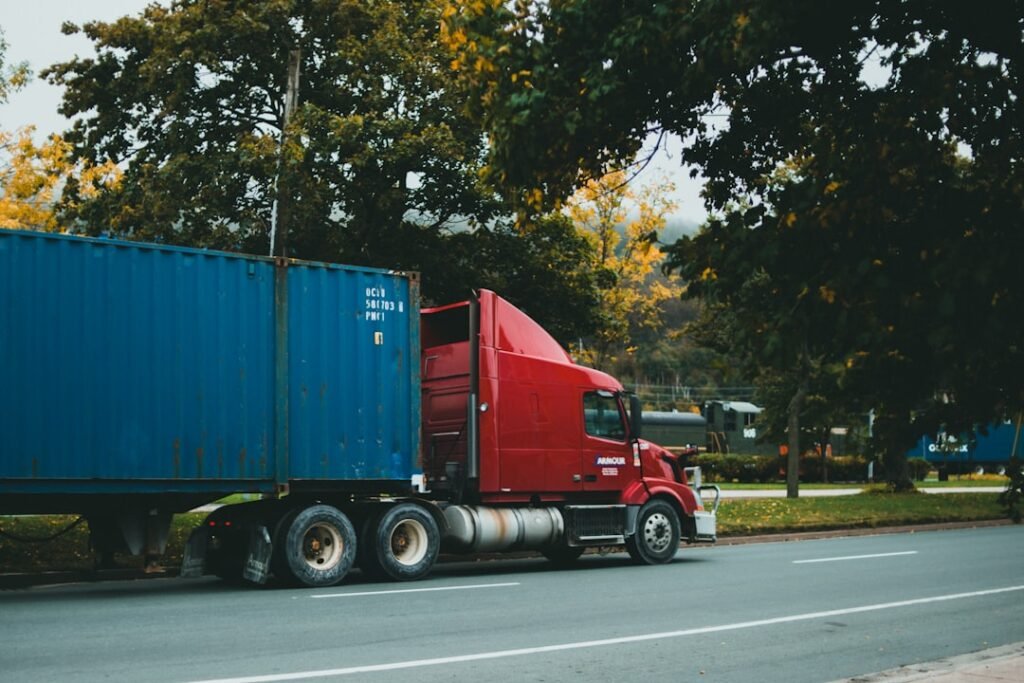
What if the future of trucking is already here? AI in Trucking is rapidly transforming how fleets operate, making logistics smarter, safer, and more efficient than ever before. Whether you’re a small business owner or a major fleet manager, the challenges of rising fuel costs, driver shortages, and complex logistics can be overwhelming. But thanks to accessible AI tools, cutting-edge route optimization, telematics, and predictive analytics, trucking companies are now empowered to overcome these obstacles with technology once reserved for industry giants. In this article, we’ll explore how AI in Trucking is revolutionizing fleet management, enhancing driver safety, slashing operational costs, and helping companies stay competitive in a fast-evolving market. Discover how adopting AI can elevate your operations—and why now is the perfect time to begin your journey into a new era of trucking success.
Key Applications and Tangible Benefits of AI in Trucking
AI in Trucking is no longer just a futuristic promise — it’s delivering real-world results for fleets of every size. Today, practical AI tools are transforming how fleets manage resources, optimize logistics, and create safer, more rewarding environments for drivers. Here are the most impactful applications now revolutionizing the industry.
Smarter Route Planning and Logistics Optimization
- Real-time GPS and Telematics: AI-driven solutions use continuously updated traffic and weather data to dynamically reroute trucks, avoid congestion, and choose the most efficient paths. This proactive approach leads to substantial fuel savings and reduced travel time.
- Digital Twins: By simulating logistics scenarios with virtual replicas of roads, routes, and parking lots, planners can experiment with strategies to optimize deliveries and driver breaks for ultimate efficiency.
Improved Driver Performance and Safety
- Behavior Analysis: AI analyzes critical driver data such as speeding, harsh braking, and idling. Fleet management tools then leverage this insight to deliver personalized coaching, reducing unsafe behaviors and minimizing fuel wastage.
- ADAS and Safety Technologies: Advanced Driver Assistance Systems use AI (including computer vision, radar, and lidar) for automatic emergency braking and real-time hazard identification, significantly improving driver and road safety. These innovations help attract and retain top talent by making the profession safer and more appealing.
Streamlined Administration and Strategic Planning
- Generative AI: Tedious paperwork like quote generation, contracts, and invoices are now automated by AI, freeing up planners to focus on high-value decisions and logistics optimization.
The Bottom Line for Fleets
- AI in Trucking enables cost reductions from fuel and maintenance savings, boosts delivery reliability, and fosters a safer, more driver-friendly work environment.
- With digital tools now affordable and scalable, even small- and mid-sized fleets can leverage these competitive advantages.
As trucking technology advances, fleets embracing these AI solutions position themselves for industry leadership, operational excellence, and long-term success.
Overcoming Today’s Trucking Industry Challenges with AI
The trucking industry operates in a landscape marked by economic uncertainty, supply chain disruptions, and ongoing driver shortages. As these hurdles mount, AI in Trucking is proving to be a game-changer—helping fleets of all sizes stay resilient, efficient, and competitive.
Solving Economic and Supply Chain Pressures
Economic cycles and unpredictable market demand have long challenged logistics providers. Now, advanced AI-powered forecasting, once only affordable for major players, is accessible for small and medium-sized companies. These technologies combine historical data, real-time telematics, and global trend information to deliver industry-leading demand projections—boasting over 95% accuracy. This precision empowers Trucking firms to scale their resources and anticipate shifting needs, preventing wasted capacity and missed opportunities.
- Historical, real-time, and external data enable better planning and adaptation.
- AI-driven forecasting quickly identifies sudden disruptions, like weather or geopolitical events.
Optimizing Operations During Low Demand
When demand cools, AI in Trucking provides a unique advantage. Tools now analyze routes, drive times, and fuel consumption, enabling smart operational tweaks that boost profitability and sustainability. Powerful route planning optimizes driver assignments and cuts idle time, while onboard telematics data reveals opportunities for better fuel efficiency—directly impacting the bottom line. These advancements, facilitated by breakthroughs in chip technology and affordable cloud storage, offer meaningful benefits without requiring expensive new fleets.
- Route planning uses real-time traffic data for the most efficient deliveries.
- Behavior monitoring identifies fuel-saving driving tactics and supports driver coaching programs.
The Democratization of AI Tools
AI’s arrival in mainstream Trucking is accelerating, thanks to affordable chips and scalable cloud solutions. Small fleets benefit from advanced route optimization, demand forecasting, and real-time analytics previously limited to industry giants. By integrating these AI-driven solutions, trucking businesses can both weather challenging times and pave the way for future growth.
For an in-depth overview of transformative AI applications in logistics, visit The Ultimate Guide to AI in Trucking: Empowering Your Fleet for Success.
Embracing Innovation—How AI Fuels a Sustainable, Competitive Future for Trucking
AI in Trucking is transforming the industry at an extraordinary pace, helping fleets address immense challenges—environmental pressures, changing regulations, and the increasing demand for operational efficiency. With heavy-duty vehicles (HDVs) responsible for over 25% of EU road transport greenhouse gas emissions, and new laws mandating lower CO2 outputs starting in 2025, the race toward cleaner and smarter operations has intensified.
Driving the Shift to Clean, Smart Fleets
- Rapid EV Adoption: By Q1 2024, 14% of trucking fleets had integrated electric vehicles (EVs), with this number set to rise sharply. Smart telematics, driven by artificial intelligence trucking tools, streamline battery monitoring, predictive maintenance, and route planning to keep EVs on the road longer and more efficiently.
- Cost-Competitive Operations: As EV technology advances, AI-powered solutions are making these vehicles cheaper than diesel trucks in most categories by 2030, further incentivizing the industry to pursue eco-friendly options.
Enhancing Operations & Achieving Sustainability
- AI-Driven Route Planning: Advanced route planning powered by AI enables fleets to avoid congestion, reduce fuel consumption, and maximize efficiency—key for reducing environmental impact and operational costs.
- Fleet Management & Predictive Maintenance: Smart telematics use real-time data to alert fleet managers about potential mechanical issues before they escalate, ensuring safer roads and fewer breakdowns.
Creating a Fulfilling and Attractive Driver Experience
- Driver Satisfaction & Recruitment: AI in Trucking isn’t just about machines—it’s about people. AI ensures drivers receive proper rest, access the amenities they need, and recognition for their performance. Safety-enhancing technology such as advanced driver assistance systems helps boost the profession’s reputation and attract new talent.
As the trucking industry evolves, embracing AI is no longer optional. From logistics optimization to driver safety, and from operational sustainability to compliance, AI positions fleets for a cleaner, smarter, and more competitive future. Learn more about these advancements in The Ultimate Guide to AI in Trucking.
AI in Trucking is reshaping the industry, offering powerful solutions for today’s biggest challenges. By harnessing advanced AI, fleets overcome economic pressures through precise demand forecasting and smarter planning. Route optimization tools and real-time analytics mean trucks spend less time idling and use less fuel, improving efficiency across the board. Enhanced safety technologies and automated administrative tasks help drivers do their jobs better and keep them safer, raising the profession’s appeal. As eco-friendly regulations take hold, AI-driven telematics support cleaner, cost-effective electric vehicles and predictive maintenance that benefit both the bottom line and the planet. Now, these advanced capabilities are within reach for businesses of every size, helping them compete and thrive. The future of trucking belongs to those who embrace innovation. Are you ready to join the journey and use AI in Trucking to drive your fleet forward? Share your thoughts below or take the next step toward a smarter, greener future!